
A press release is a formal announcement shared with media outlets, journalists, and the public to communicate important news. If you’re learning how to write a press release, you must first understand its purpose. It is not an advertisement. Instead, it is a structured news document used in public relations (PR) to share updates like product launches, company milestones, partnerships, or events. A well-written release follows a clear press release structure, includes verified facts, and presents information in a professional tone.
Understanding how to draft a press release helps businesses build credibility, improve brand awareness, and gain earned media coverage. When done correctly, it can support SEO, strengthen authority, and attract the right audience. In this guide, you’ll learn structure, strategy, and distribution essentials.
Why Businesses Use Press Releases Today?
Understanding how to write a press release is essential because businesses still rely on this tool to share timely and newsworthy updates. A professional press release helps companies announce product launches, partnerships, funding rounds, events, and major milestones in a structured way that appeals to journalists and media outlets. Unlike promotional content, it focuses on facts, relevance, and value to the public.
When businesses learn how to draft a press release, they improve their chances of gaining earned media coverage and strengthening brand authority. It also supports SEO by creating searchable content that can rank in news results. Additionally, a proper press release distribution strategy ensures the message reaches the right audience. In today’s competitive digital landscape, press releases remain a powerful communication and credibility-building tool.
How to write a press release structure?
A well-structured announcement helps journalists and readers quickly understand the main message. Following a standard format also increases the chances of media outlets publishing the information without heavy editing.
Headline and Subheadline Structure
The headline is the most important part of a press release because it grabs attention and summarizes the main news. A strong headline should be clear, concise, and engaging. Sometimes a subheadline is also added to provide additional context and support the main title.
Opening Paragraph with Key Information
Understanding how to write a press release also involves creating a strong opening paragraph. The introduction should answer the essential questions, such as who, what, when, where, and why. This gives journalists a quick overview of the news.
How to Write a Press Release Body Section?
The body section expands on the announcement by providing background information, statistics, quotes, or additional explanations. This helps journalists and readers understand the significance of the news and its potential impact.
Contact Information and Closing Section
At the end of a press release, it is important to include contact details so journalists can reach out for more information. This section usually contains the company name, email address, phone number, and sometimes a short company description.
Crafting a Powerful Headline and Lead
If you want to master how to write a press release, you must focus on crafting a compelling headline and a strong opening paragraph. The headline is the first thing journalists and media outlets see, so it should be clear, concise, and news-driven. Avoid hype or promotional language. Instead, highlight the most important fact in a way that sparks curiosity while staying factual.
The lead paragraph is equally important. When learning how to draft a press release, remember that the first paragraph should answer who, what, when, where, and why within two to three sentences. This structure follows the traditional press release structure and ensures clarity. A strong lead keeps readers engaged and increases the chances of coverage. Without a powerful headline and lead, even a well-structured press release may be ignored.
Writing the Body and Adding Quotes
After the headline and lead, the body paragraphs provide depth and credibility. When learning how to write a press release, this section should expand on key details with clear facts, statistics, and supporting information. Avoid unnecessary filler and keep sentences concise. Each paragraph should add value while maintaining a professional tone that fits standard press release structure expectations.
Including a relevant quote strengthens your message. A quote from a CEO, founder, or spokesperson adds authenticity and a human voice to the press release. It also gives journalists usable material for their coverage. If you truly want to master how to draft a press release, focus on clarity, accuracy, and logical flow in the body section. Strong supporting details make your announcement credible and newsworthy.
How to Write a Press Release Boilerplate Section?
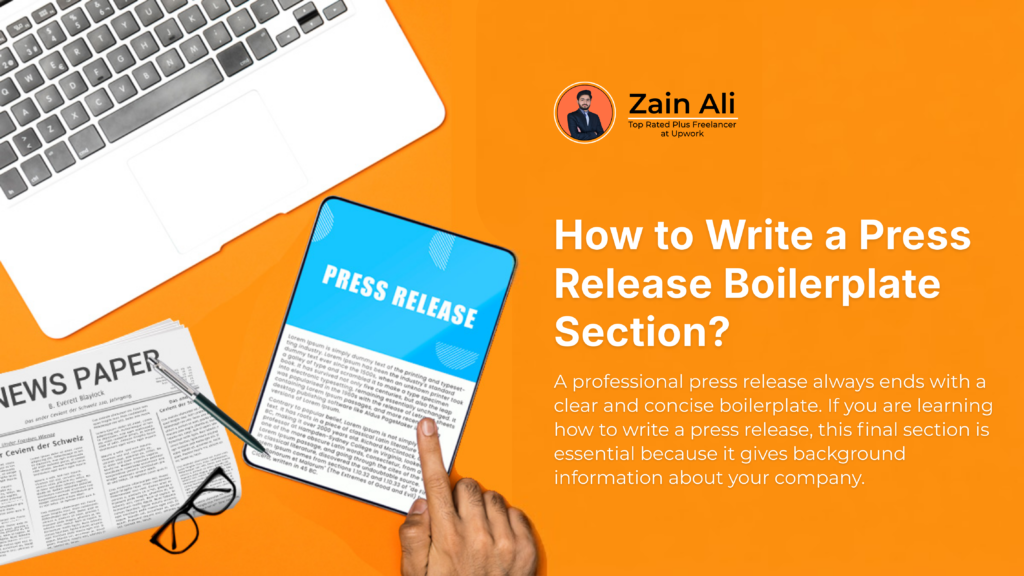
A professional press release always ends with a clear and concise boilerplate. If you are learning how to write a press release, this final section is essential because it gives background information about your company. The boilerplate is a short paragraph that explains who you are, what you do, and what makes your organization credible. It should remain consistent across all announcements while reflecting your brand identity.
When mastering how to draft a press release, keep the boilerplate factual and neutral. Include your company’s mission, industry focus, and key achievements without sounding promotional. Add accurate contact information after the boilerplate so journalists can easily follow up. A well-crafted boilerplate strengthens trust and ensures your press release structure remains complete and professional.
Press Release Layout You Can Use Today
If you’re serious about learning how to write a press release, using a structured press release template can save time and ensure consistency. A template helps you follow the correct press release structure without missing key elements. Start with a strong headline, followed by the dateline (City, Date). Next, write your lead paragraph answering who, what, when, where, and why. Continue with two to three body paragraphs that add context, facts, and a relevant quote. Then include your boilerplate describing the company, and finish with complete contact information. Below is a simple structure you can reuse:
- headline
- Dateline
- Lead Paragraph
- Body Paragraphs + Quote
- Boilerplate
- Contact Details
Using a reliable press release layout makes mastering how to draft a press release much easier and more efficient.
Press Release Best Examples for Clarity
Looking at a practical example can make the structure easier to understand. A clear example shows how different sections work together to present news in a professional and organized way.
Example 1: Headline and Introduction
For example, a company launching a new product might start with a headline announcing the launch. The introduction then briefly explains what the product is and why it matters to customers or the industry.
Example 2: Body Paragraph with Details
The body section of the example would include additional details such as product features, company statements, or quotes from executives. These elements add credibility and provide more depth to the announcement.
Example 3: Quote for Media Appeal
Quotes from company leaders or experts are often included in press releases to make the content more engaging. A quote can highlight the importance of the announcement and give the message a more human tone.
Example 4: How to Write a Press Release Closing?
Finally, the example ends with a short company overview and media contact information. This allows journalists to quickly understand the organization behind the news and reach out for further information if needed.
Press Release Outreach Strategies
Learning how to write a press release is only half the process. The next step is effective press release outreach to ensure your announcement reaches the right audience. Even the most well-written press release will not generate results if it is not shared strategically. Start by identifying relevant journalists, bloggers, and media outlets in your industry. Personalize your outreach emails and clearly explain why your news matters to their readers.
You can also use professional press release outreach services to publish your announcement across news platforms and online channels. Posting the release on your company website improves SEO and creates a permanent reference point. If you truly understand how to draft a press release, you must combine strong writing with smart distribution to maximize visibility and media coverage.
Common Mistakes to Avoid
Even after learning how to write a press release, many businesses make avoidable mistakes that reduce media interest. One common issue is turning the press release into a sales pitch instead of presenting factual, newsworthy information. Journalists prefer objective content, not exaggerated marketing claims. Another mistake is ignoring proper press release structure, such as missing a dateline, weak headline, or incomplete contact information.
Length is also important. A press release that is too long loses clarity and focus. Poor grammar and unclear messaging damage credibility and lower the chances of coverage. If you truly want to master how to draft a press release, always review structure, accuracy, and tone before publishing. Avoiding these common errors ensures your announcement remains professional, readable, and aligned with media expectations.
Final Checklist
Before publishing, review your content carefully to confirm you truly understand how to write a press release correctly. Start by checking whether your headline clearly communicates the main announcement. Make sure the lead paragraph answers who, what, when, where, and why in a concise way. Confirm that your body paragraphs provide factual support, include at least one relevant quote, and follow proper press release structure guidelines.
Next, review your boilerplate to ensure it accurately represents your company. Double-check all contact information so journalists can easily reach you. Finally, evaluate your press release outreach plan to confirm you are targeting the right media outlets. Mastering how to draft a press release means combining structure, clarity, and strategy. A final checklist helps prevent errors and increases your chances of gaining valuable media coverage.
Conclusion
Learning how to write a press release is a valuable skill for any business, entrepreneur, or marketing professional. A well-crafted press release follows a clear press release structure, presents factual and newsworthy information, and communicates value without sounding overly promotional. From writing a compelling headline to adding a structured boilerplate and planning effective press release outreach, each step plays an important role in achieving media coverage. When you consistently apply the principles of how to draft a press release, you increase credibility, improve SEO, and strengthen your brand’s visibility. Use a reliable press release layout, study a strong press release example, and always review your content before sending it to media outlets. With the right structure and strategy, your announcements can gain attention, authority, and lasting impact.
Frequently Asked Questions
The correct press release format includes a clear headline, a dateline with city and date, a strong lead paragraph answering who, what, when, where, and why, followed by detailed body paragraphs with facts and a quote. It ends with a professional boilerplate and accurate contact information. If you are learning how to draft a press release, following this structured layout is essential because journalists expect consistency and clarity.
A professional press release should typically be between 400 and 600 words. When understanding how to draft a press release, focus on clarity and conciseness rather than length. Keep paragraphs short, avoid unnecessary details, and ensure every sentence adds value. A concise release improves readability and increases the chances of media coverage.
A press release layout is a pre-designed structure that helps you organize your announcement correctly. It includes placeholders for the headline, dateline, lead paragraph, body content, quote, boilerplate, and contact details. Using a template makes learning how to write a press release easier and ensures you follow professional formatting standards.
Effective press release outreach involves sending your announcement directly to relevant media outlets, industry journalists, and online news platforms. You can also publish it on your website and share it through email outreach or professional distribution services. Combining strong writing with smart distribution maximizes visibility.
Yes, a properly optimized press release can support SEO by generating backlinks, increasing online visibility, and creating searchable content. When learning how to draft a press release, include relevant keywords naturally and publish it on your website to strengthen your digital presence.