SEO is one of the most talked-about terms in digital marketing, yet many beginners still ask a simple question: What is SEO? SEO stands for search engine optimization, a process used to improve a website’s visibility in organic search results. When users search for information on platforms like Google or Bing, SEO helps websites appear higher for relevant queries.
In simple terms, SEO focuses on making your website easier for search engines to understand and more useful for users. This search engine optimization explained approach includes optimizing content, structure, and technical elements so pages match search intent. Learning what is SEO essential for beginners who want consistent traffic without relying on paid advertising.
What Is SEO?
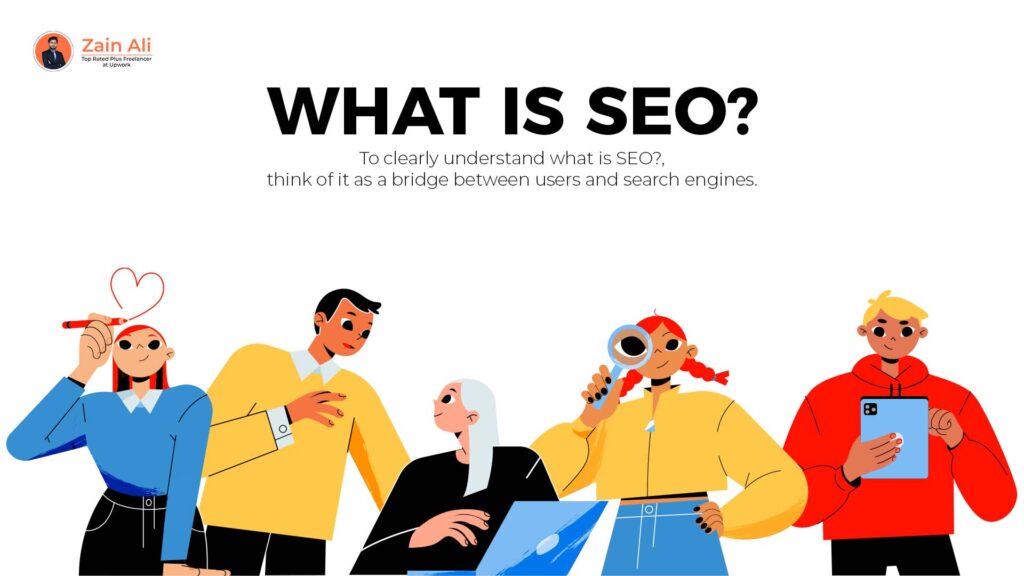
To clearly understand what is SEO?, think of it as a bridge between users and search engines. SEO is the practice of optimizing webpages so search engines can easily crawl, index, and rank them. When someone types a query, search engines analyze thousands of pages and display results they believe best answer the search.
This is where SEO basics for beginners come into play. SEO involves keyword usage, quality content, site performance, and credibility signals. With search engine optimization explained correctly, websites gain long-term visibility and attract users actively searching for solutions. Rather than interrupting users with ads, SEO helps your content appear naturally, making it one of the most sustainable digital strategies available today.
Why Is SEO Important for Websites?
The importance of SEO for websites comes from its ability to drive relevant, long-term traffic without ongoing advertising costs. When users search for answers, products, or services, SEO helps your website appear at the right moment. Understanding what is SEO? allows site owners to align content with user intent, increasing visibility and trust.
SEO improves more than rankings; it enhances user experience, site structure, and content quality. Search engines like Google reward websites that are fast, informative, and easy to navigate. By applying SEO basics for beginners, websites can build authority, attract qualified visitors, and stay competitive in crowded search results. This is why SEO remains a core digital growth strategy.
How Does SEO Work?
To understand how SEO works, it’s important to know how search engines process information. When a user enters a query, search engines analyze countless webpages to find the most relevant and helpful results. SEO helps your website communicate clearly with search engines so your pages can be discovered, understood, and ranked correctly. This process is a key part of search engine optimization, explained for beginners.
SEO works through a combination of content relevance, technical structure, and authority signals. By applying SEO basics for beginners, such as proper keyword usage, optimized page structure, and quality links, websites increase their chances of ranking higher. Learning what is SEO at this level is shows that optimization is not a one-time task but an ongoing process focused on visibility and user satisfaction.
How Search Engines Work: Crawling, Indexing, and Ranking?
To fully understand how SEO works, you need to know how search engines operate behind the scenes. Search engines like Google follow three core steps: crawling, indexing, and ranking. Crawling happens when automated bots scan websites to discover new or updated pages. Once found, these pages are stored in a massive database through a process called indexing.
Ranking is the final step, where search engines decide which indexed pages appear first for a search query. This decision is based on relevance, content quality, and usability signals. When search engine optimization principles are applied correctly, search engines can evaluate pages more accurately. That’s why understanding SEO helps websites align with how search engines truly work.
Types of SEO You Need to Know
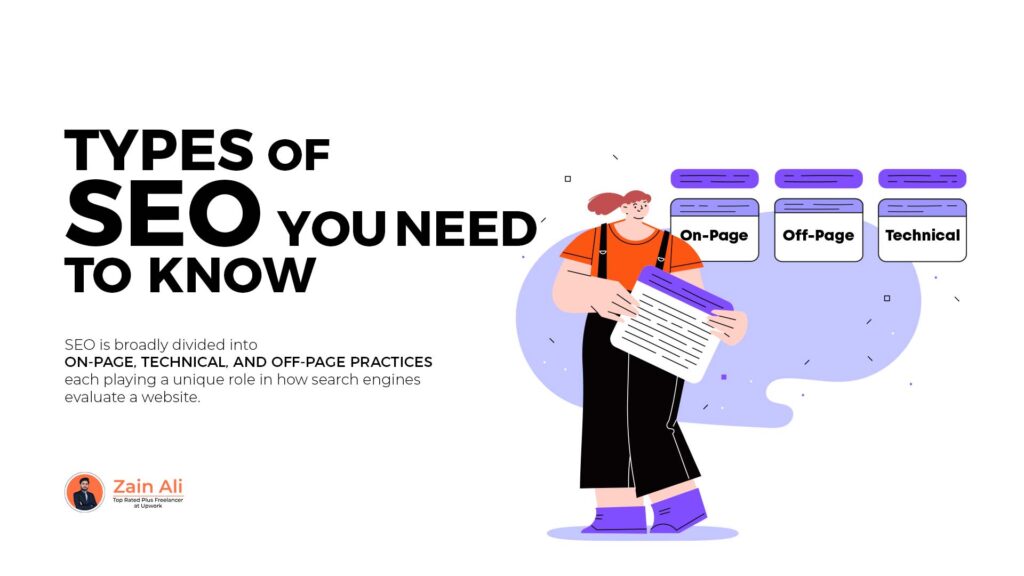
Understanding the different types of SEO is essential when learning what is SEO? because optimization is not limited to just one area. SEO is broadly divided into on-page, technical, and off-page practices, each playing a unique role in how search engines evaluate a website. Together, these areas explain how SEO works as a complete system rather than isolated tactics.
Search engines such as Google assess content quality, website performance, and authority signals before ranking pages. This is why search engine optimization explained properly always covers multiple SEO types. For anyone following SEO basics for beginners, knowing these categories helps prioritize efforts and build a balanced, effective optimization strategy.
On-Page SEO Basics for Beginners
On-page SEO focuses on optimizing the elements within your website that you directly control. For beginners learning what is SEO, this is often the starting point because it involves content, structure, and user-focused improvements. On-page SEO helps search engines understand what a page is about and how well it matches a user’s search intent.
Key on-page practices include using relevant keywords naturally, creating clear headings, optimizing meta titles and descriptions, and improving internal linking. These steps are central to SEO basics for beginners and play a major role in how SEO works. When search engine optimization principles are applied on-page, websites become easier to read, navigate, and rank, improving both visibility and user experience.
Technical SEO Fundamentals
Technical SEO focuses on improving the behind-the-scenes structure of a website so search engines can access and understand it efficiently. For beginners exploring what is SEO?, technical SEO may sound complex, but it plays a vital role in how SEO works. Without a technically sound website, even high-quality content may struggle to rank.
Core technical SEO elements include site speed, mobile responsiveness, secure HTTPS connections, and proper indexing. Search engines like Google prioritize websites that load quickly and function smoothly across devices. When search engine optimization is explained includes technical best practices, making websites easier to crawl and index. Mastering these SEO basics for beginners ensures a strong foundation for long-term search visibility.
Off-Page SEO and Authority Building
Off-page SEO refers to optimization efforts that happen outside your website but strongly influence how search engines evaluate its credibility. When learning what is SEO, beginners often overlook off-page factors, yet they are essential to how SEO works. Search engines use external signals to measure trust, relevance, and authority.
The most important off-page SEO element is backlinks, links from other reputable websites pointing to your pages. Search engines like Google treat quality backlinks as votes of confidence. Brand mentions, online reviews, and social signals also support authority building. With search engine optimization explained correctly, off-page SEO strengthens a site’s reputation. For SEO basics for beginners, building genuine authority helps improve rankings and long-term visibility.
SEO Basics for Beginners
Learning SEO basics for beginners starts with understanding what is SEO? and why it matters for online visibility. SEO is not about quick tricks or shortcuts; it’s a structured process focused on improving content quality, user experience, and technical performance. Beginners should focus on building a solid foundation rather than chasing rankings immediately.
The first step is keyword research, followed by creating helpful content that answers real user questions. Understanding how SEO works also means recognizing that results take time. Search engines reward consistency, relevance, and trust. With search engine optimization explained in simple terms, beginners can see SEO as a long-term investment. Mastering these fundamentals helps websites grow sustainably and compete effectively in organic search results.
How SEO Is Different From SEM and PPC?
To clearly understand what is SEO, it’s important to know how it differs from SEM and PPC. SEO focuses on improving organic search visibility through content, technical improvements, and authority building. These efforts help websites rank naturally over time without paying for each visitor.
SEM, or search engine marketing, is a broader term that includes both SEO and paid advertising strategies. PPC, or pay-per-click, is a paid model where advertisers pay whenever someone clicks their ad. While PPC delivers immediate results, visibility stops when spending ends. In contrast, how SEO works is based on long-term growth. With search engine optimization explained properly, SEO becomes a sustainable strategy, making it ideal for beginners seeking lasting traffic rather than short-term exposure.
How to Measure SEO Performance?
Measuring SEO performance helps you understand whether your efforts are delivering real results. When learning what is SEO, beginners should know that SEO success is tracked through data, not assumptions. Key metrics include organic traffic, keyword rankings, user engagement, and conversions. These indicators show how SEO works in practice and whether your strategy aligns with search intent.
Tools like Google Analytics and Google Search Console are commonly used to monitor performance. They reveal how users find your site and interact with content. With search engine optimization explained through measurable outcomes, beginners can refine their approach, fix weaknesses, and improve visibility over time.
How SEO Is Evolving and What Beginners Should Expect?
SEO is constantly evolving as search engines adapt to new technologies and changing user behavior. To truly understand what is SEO?, beginners must recognize that SEO today is not the same as it was a few years ago. Search engines now focus more on content quality, user experience, and intent rather than simple keyword matching. This shift has changed how SEO works across all industries.
Artificial intelligence, voice search, and mobile-first indexing are shaping modern search results. Platforms like Google continue to refine their algorithms to reward helpful, trustworthy content. With search engine optimization explained in this context, beginners should expect SEO to be a long-term skill. Staying updated, creating value-driven content, and following SEO basics for beginners will remain essential for sustainable growth.
Can You Do SEO Yourself?
Yes, you can absolutely do SEO yourself, especially if you understand what is SEO and are willing to learn the basics. Many website owners start with DIY SEO by applying simple strategies such as keyword research, content optimization, and improving site structure. These steps help beginners understand how SEO works without relying on paid services.
However, SEO requires time, consistency, and patience. Search engines like Google reward long-term effort rather than quick fixes. With search engine optimization explained clearly, beginners can manage their own SEO for small websites. As competition grows, some may choose professional help, but mastering SEO basics for beginners is enough to build a strong foundation on your own.
Conclusion
Understanding what is SEO? is more important than ever in today’s digital landscape. SEO remains one of the most effective ways to attract consistent, high-quality traffic by aligning your website with how search engines and users interact. Rather than relying on short-term advertising, SEO focuses on long-term visibility, trust, and authority.
As you’ve seen throughout this guide, how SEO works involves content quality, technical performance, and credibility signals working together. With search engine optimization explained in a beginner-friendly way, it’s clear that SEO is not a passing trend. For anyone starting online, mastering SEO basics for beginners is a valuable skill that supports sustainable growth and lasting online success.