Understanding what is podcasting? essential for anyone interested in digital media, marketing, or content creation. A podcast is a series of episodic audio programs made available online for streaming or download. Podcasts have grown into a mainstream medium, enabling creators to share stories, teach skills, or provide entertainment to global audiences.
The rise of podcast hosting platforms has made publishing simple, allowing beginners and professionals alike to distribute content efficiently. From independent creators to brands and businesses, podcasting offers a unique opportunity to engage listeners through high-quality audio. With accessible tools and growing popularity, mastering podcast basics and content strategy is key to producing a successful show. Understanding these fundamentals provides a strong foundation for anyone exploring starting a podcast in 2025 and beyond.
History and Evolution of Podcasting
To understand what is podcasting?, it’s helpful to explore its history. Podcasting emerged in the early 2000s as an innovative way to distribute audio content online. Early adopters used RSS feeds to publish episodic shows, allowing listeners to subscribe and download episodes automatically. Over time, the medium evolved with the rise of smartphones and streaming services, making podcasts more accessible than ever.
Today, podcast hosting policies like Anchor, Podbean, and Libsyn simplify publishing, analytics, and distribution. This evolution has also shaped mobile app SEO, enabling apps like Spotify and Apple Podcasts to serve as central hubs for listeners. The growth of podcasting has transformed media consumption, turning it into a mainstream content format that is both educational and entertaining. Understanding podcast definition and this evolution is crucial for anyone following a starting a podcast guide.
Key Concepts Of Podcasting
When exploring what podcasting is, it’s important to understand its core elements. Podcasts consist of episodic audio content that listeners can stream or download. Each episode typically follows a theme, format, or storyline, catering to a specific audience. Subscriptions via RSS feeds allow users to receive new episodes automatically, making podcasts convenient and engaging.
Podcast hosting policy plays a crucial role by storing episodes, generating RSS feeds, and providing analytics. For creators, mastering podcast basics, such as microphones, headphones, and audio editing software, is essential for producing high-quality content. Understanding these fundamentals is the first step in podcast guide, ensuring episodes are professional and accessible. Podcasts combine creativity, technical setup, and strategy, making them a versatile tool for marketing, education, and entertainment.
Benefits of Podcasting
Understanding what is podcasting? is also involves recognizing its benefits for creators and businesses. Podcasts allow for deep audience engagement, as listeners often form strong connections with hosts and recurring content. This makes it an effective tool for building brand loyalty and awareness.
Podcasts also offer opportunities for monetization through sponsorships, advertisements, and premium content. By leveraging podcast policy platforms, creators can distribute content efficiently and access analytics to track audience growth. Incorporating App Store Optimization Keywords and optimizing metadata enhances discoverability across platforms. Even beginners can follow a starting podcast guide, using podcast equipment basics to produce professional-sounding episodes. Overall, podcasting provides a versatile, low-cost medium for education, marketing, and entertainment.
Podcast Hosting Policy Explained
A key part of what is podcasting? involves choosing the right podcast policy platforms. Services like Anchor, Podbean, Libsyn, and Spotify provide storage, distribution, and analytics, making it easier for creators to reach global audiences. These platforms generate RSS feeds, manage episode uploads, and offer insights into listener behavior.
For beginners, hosting platforms simplify the technical side of podcasting, allowing creators to focus on content and strategy. Combining these platforms with a starting podcast guide ensures a streamlined workflow from recording to publication. Understanding how to leverage podcast basics and integrate metadata and App Store Optimization Keywords enhances discoverability, improves audience engagement, and helps podcasts stand out in a crowded market.
Podcast Equipments Basics
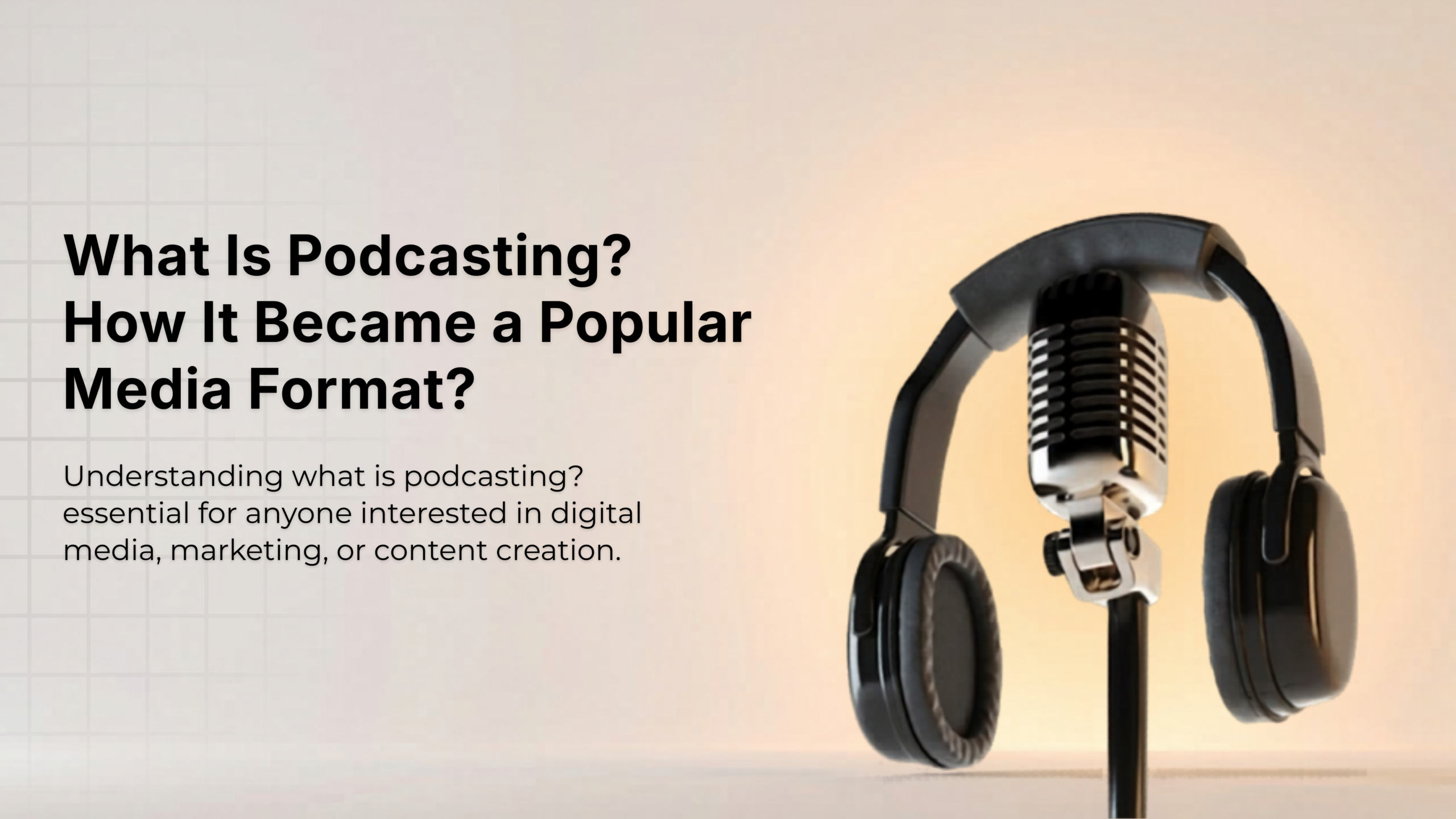
To get started with what podcasting is, mastering podcast basics is essential. A quality microphone is crucial for clear audio, while headphones help monitor sound during recording. Recording software, such as Audacity or Adobe Audition, allows creators to capture and edit episodes professionally.
Additional tools like pop filters, audio interfaces, and mixers improve production quality and reduce background noise. For beginners following a starting podcast guide, investing in reliable equipment ensures episodes are polished and listener-friendly. Coupling this setup with the right podcast hosting policy and well-researched App Store Optimization Keywords enhances discoverability. Understanding these fundamentals enables creators to produce engaging content while building a loyal audience across the podcast ecosystem.
Step-by-Step Guide to Start a Podcast
For anyone learning what podcasting is, following a starting podcast guide ensures success from the first episode. Begin by defining your niche, target audience, and episode format. Plan content calendars, create scripts, and outline key talking points to maintain consistency.
What is podcasting? Choose a Clear Podcast Topic and Audience
The first step in learning how to start a podcast is choosing a clear topic and identifying your target audience. Focus on a niche that you are passionate about and knowledgeable in. A well-defined topic helps attract listeners who are interested in your content. It also makes it easier to plan episodes and build a consistent podcast brand.
Plan Your Podcast Format and Episode Structure
Before recording, decide what type of podcast format you want to create. Some podcasts focus on interviews, while others use storytelling, co-hosts, or solo discussions. Planning your episode structure helps keep your content organized and engaging. This preparation is an important step when learning how to start a podcast successfully.
Set Up the Right Podcast Equipment
Good audio quality is essential for building a professional podcast. What is podcasting? You don’t need expensive gear to begin, but a decent microphone and headphones are recommended. Recording in a quiet environment will also improve the sound quality. Having the right equipment makes the process of starting a podcast much smoother.
Record Your First Podcast Episode
Once everything is ready, start recording your first episode. Try to speak clearly and naturally so listeners feel connected to your content. It’s normal to make mistakes in the beginning, so focus on delivering useful information. Recording regularly is a key part of mastering how to start a podcast.
Podcast Promotion and Marketing Strategies
Promoting your podcast is essential to maximize reach and engagement once you understand what is podcasting? Leveraging social media platforms, email newsletters, and cross-promotion with other podcasts helps increase visibility. Incorporating App Store Optimization Keywords in your title, description, and show notes ensures your episodes appear in relevant trending app searches and on platforms like Spotify and Apple Podcasts.
Paid advertising and collaborations with influencers or niche communities can further boost discoverability. Consistently analyzing listener metrics from your podcast hosting policy allows you to refine content, improve engagement, and optimize your mobile app SEO strategies for any associated apps. Effective promotion ensures your podcast grows an audience, maintains relevance, and converts casual listeners into loyal followers.
Common Mistakes to Avoid in Podcasting
When learning what podcasting is, it’s important to avoid common pitfalls. Inconsistent publishing schedules can disengage listeners, while poor audio quality or background noise may reduce credibility. Neglecting equipment basics or using subpar microphones and headphones can hinder listener retention.
Failing to research keywords and skipping App Store Optimization Keywords reduces discoverability, and ignoring promotion through social media or newsletters limits growth. Many beginners also overlook analytics provided by podcast policy platforms, which can guide improvements and content adjustments. By addressing these common mistakes and following a comprehensive starting podcast guide, creators can build professional-quality podcasts that attract, retain, and engage audiences while maximizing the impact of each episode.
What is podcasting? Monetizing Your Podcast
Understanding what podcasting is also includes exploring ways to generate revenue. Podcasts can be monetized through sponsorships, where brands pay to promote their products or services within episodes. Affiliate marketing allows creators to earn commissions by recommending tools or services relevant to their audience. Premium content, such as bonus episodes or ad-free versions, provides additional revenue streams.
Using insights from podcast hosting policy, creators can analyze listener demographics, engagement, and download metrics to attract sponsors and optimize monetization. Even beginners following a starting podcast guide can implement these strategies effectively. Combining quality content, well-researched App Store Optimization Keywords, and strategic promotion ensures podcasts are not only engaging but also profitable over time, making monetization a realistic goal for creators.
Future Trends in Podcasting
What is podcasting? Looking ahead to 2025, staying informed about trending app searches and podcasting trends is crucial for success. Podcasts are increasingly consumed on mobile devices, smart speakers, and streaming platforms, making mobile app SEO and accessibility key. Innovations in AI, transcription tools, and interactive content are reshaping how listeners engage with podcasts.
Creators who understand what podcasting is and adapt to emerging trends can grow audiences faster. Leveraging podcast hosting policy with built-in analytics allows creators to track listener behavior, optimize content, and refine App Store Optimization Keywords for maximum visibility. Staying ahead of trends ensures podcasts remain relevant, competitive, and able to capture new listeners across diverse platforms.
Conclusion
Understanding what is podcasting? is essential for creators, businesses, and marketers looking to engage audiences through audio content. By following a starting podcast guide, leveraging podcast hosting policy, and using proper equipment basics, anyone can create professional-quality episodes. Incorporating App Store Optimization Keywords and performing Google Play keyword research or Apple Podcast SEO ensures better discoverability and engagement.
Podcasting offers numerous benefits, including audience building, brand growth, and monetization opportunities through sponsorships or premium content. Staying aware of trending app searches and updating strategies regularly helps podcasts remain relevant and competitive. Whether you’re a beginner or experienced creator, mastering these fundamentals enables you to produce high-quality content, grow your listener base, and succeed in the ever-expanding podcasting landscape.
Frequently Asked Questions (FAQs)
Podcasting is the creation and distribution of episodic audio content that users can stream or download. It allows creators to share stories, education, or entertainment across platforms.
What is podcasting? hosting platforms include Anchor, Podbean, Libsyn, and Spotify, providing storage, distribution, and analytics for both beginners and professionals.
Basic equipment basics include a good microphone, headphones, recording software, and audio editing tools to produce high-quality episodes.
Use App Store Optimization Keywords in titles, descriptions, and metadata. Perform Google Play keyword research or Apple Podcast SEO to target trending app searches effectively.
What is podcasting? Following a starting podcast guide helps beginners plan content, record episodes, choose hosting platforms, and promote their podcasts efficiently.