Understanding Moz SEO is essential for marketers who want data-backed insights without overwhelming complexity. As one of the pioneers in the SEO industry, Moz has built a reputation for creating accessible yet powerful optimization tools used by agencies and businesses worldwide. It focuses on simplifying keyword research, link analysis, domain authority evaluation, and technical auditing. Through platforms like Moz Pro, users can monitor rankings, track backlinks, analyze competitors, and improve on-page performance in one integrated dashboard.
Search engines such as Google evaluate authority, relevance, and technical stability. Moz SEO mirrors these ranking principles by offering metrics that help interpret competitive strength and optimization gaps. Unlike feature-heavy promotional pages, this guide dives deeper into how it actually works, how to use its tools strategically, how to interpret Domain Authority correctly, and how to integrate Moz SEO into a scalable organic growth workflow.
What Is Moz SEO?
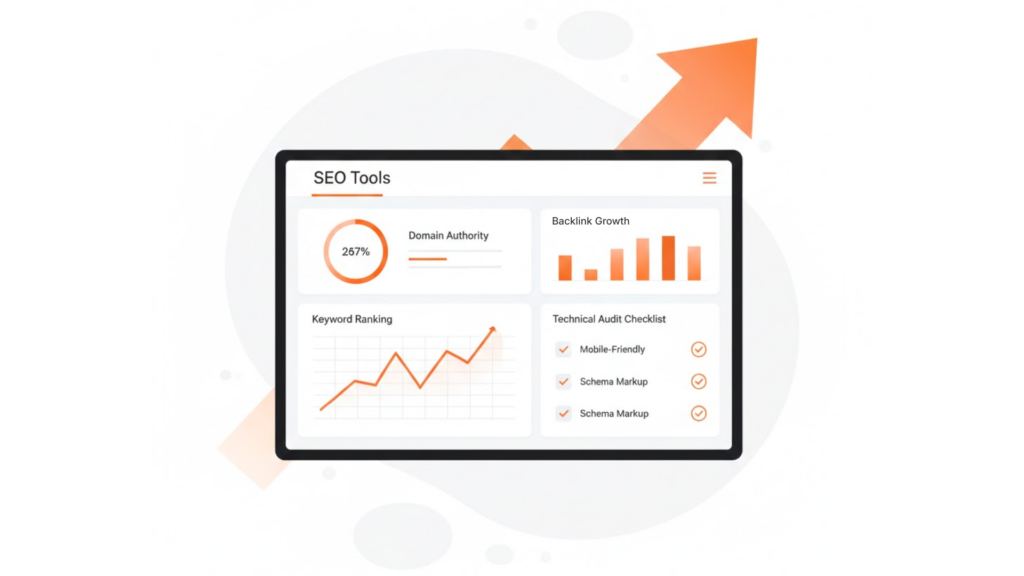
It refers to the suite of optimization tools and metrics developed by Moz SEO to help businesses improve their search visibility. Rather than focusing on one aspect of SEO, it combines keyword research, backlink evaluation, technical site audits, and rank tracking into an integrated platform. At the core of it is Moz Pro, an all-in-one dashboard designed to provide actionable SEO insights. It analyzes keyword difficulty, tracks ranking positions, monitors backlinks, and performs technical audits. The platform collects large-scale web data and converts it into simplified metrics, such as Domain Authority, that help measure competitive strength.
It works by crawling websites and indexing backlink data, much like search engines do. It evaluates link profiles, internal structure, and content performance to estimate how well a site may compete in search results. Tools like MozBar allow users to view domain metrics directly within their browser, simplifying competitive analysis. Search engines such as Google prioritize relevance, authority, and user experience. Moz SEO mirrors these ranking principles by offering measurable signals aligned with search performance. When used strategically, it transforms optimization into a structured process driven by data rather than assumptions.
Moz SEO Tools Overview
To fully understand it, it’s important to explore the core features that power its optimization ecosystem. Moz SEO offers multiple integrated solutions designed to support keyword research, competitor analysis, link building, and technical audits. These tools work together to provide a structured SEO workflow. At the center is Moz Pro, which includes Keyword Explorer, Rank Tracker, Link Research, Site Crawl, and Domain Overview. Each module focuses on a different ranking factor. Keyword Explorer helps identify search opportunities, while Rank Tracker monitors keyword positions over time. Site Crawl detects technical issues such as broken links and duplicate content that may limit visibility.
It also includes MozBar, which displays Domain Authority and page-level metrics directly in search results. This simplifies quick competitive assessments. For businesses targeting local audiences, Moz Local supports citation management and reputation tracking. Search engines like Google prioritize authority, relevance, and technical health. These tools mirror these ranking pillars by providing measurable indicators aligned with search performance. When combined strategically, these features create a unified framework that helps businesses improve rankings, analyze competitors, and strengthen overall search visibility.
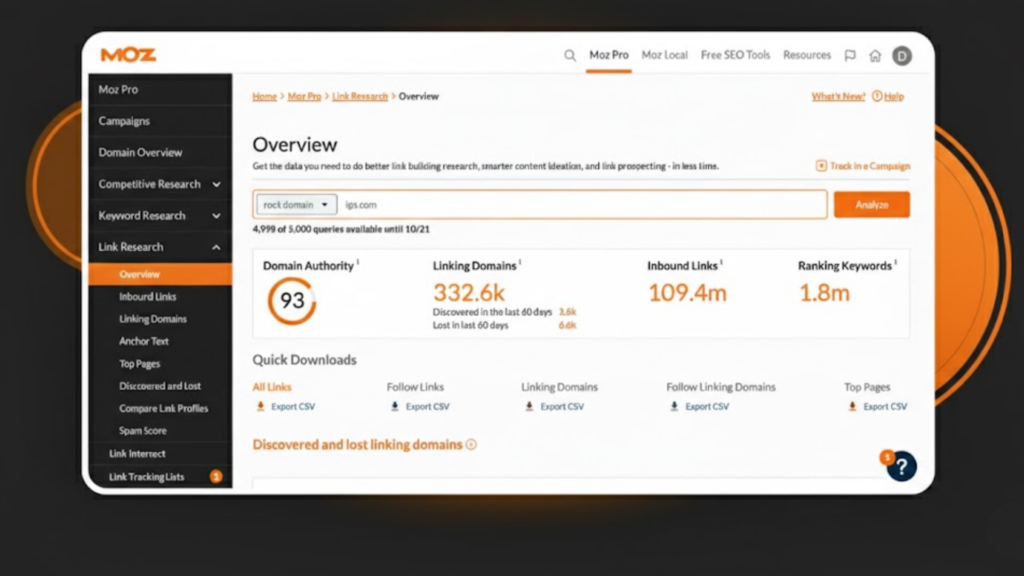
Domain Authority Checker
One of the most recognized components of it is its Domain Authority metric, accessible through the Domain Authority Checker. Developed by Moz SEO, Domain Authority (DA) is a predictive score ranging from 1 to 100 that estimates how likely a website is to rank in search results. The score is calculated based on multiple link-related factors, including referring domains, link quality, and overall backlink profile strength. Although DA is not an official ranking factor used by Google, it serves as a comparative metric to evaluate competitive positioning within a niche.
Using it, marketers can check both Domain Authority and Page Authority to assess overall site strength. The metric is especially useful for competitor benchmarking. By comparing DA scores, you can gauge whether your website needs stronger backlinks or improved authority signals to compete effectively. However, it’s important not to rely solely on DA. It provides additional metrics, including spam score and link analysis, to offer a more complete view. Authority should always be evaluated alongside content quality and technical performance. When interpreted correctly, the domain authority checker becomes a strategic benchmarking tool that supports smarter link-building and competitive research decisions.
Smart Keyword Research Strategy
Keyword research remains the backbone of successful optimization, and Moz SEO simplifies this process through Moz SEO Keyword Explorer. Built inside Moz Pro, this feature helps marketers discover relevant keywords, evaluate ranking difficulty, and analyze search intent before creating content. Unlike tools that focus only on search volume, Moz SEO Keyword Explorer provides multiple metrics, including Keyword Difficulty, Organic CTR, and Priority Score. These indicators allow users to balance demand with feasibility. Instead of chasing high-volume keywords blindly, it helps identify realistic opportunities aligned with your domain authority and backlink strength.
Another powerful feature is SERP analysis. Moz displays the top-ranking pages for any keyword and evaluates their authority metrics. This insight helps determine whether competing domains have stronger backlink profiles or higher page authority. By reviewing these signals, marketers can refine their targeting strategy and avoid unrealistic competition. Search engines such as Google prioritize intent alignment and content depth. It supports this by categorizing keyword suggestions into related topics and semantic variations, making content clustering easier. When integrated into a structured workflow, Moz SEO Keyword Explorer transforms keyword research into a strategic decision-making process rather than guesswork.
Moz Link Analysis
Backlinks remain one of the strongest ranking signals, and it provides powerful tools for evaluating link strength through Moz Link Analysis. Inside Moz Pro, the Link Research feature allows users to review referring domains, anchor text distribution, spam score, and overall backlink quality. Using data from Moz’s link index, marketers can identify which pages attract the most backlinks and assess competitor authority patterns. This insight helps prioritize outreach efforts toward high-quality domains instead of pursuing random link placements. Moz SEO simplifies backlink auditing by categorizing links based on quality indicators rather than overwhelming users with raw data.
The link analysis module also highlights potentially toxic backlinks through spam score metrics. While spam score is not an official ranking factor used by Google, it helps identify suspicious linking patterns that may weaken authority over time. Another strategic advantage of Moz link analysis is competitive gap discovery. By comparing your domain’s backlink profile against competitors, you can uncover missed opportunities and develop a targeted link-building roadmap. When used consistently, it turns backlink management into a structured, data-driven strategy that supports long-term authority growth and sustainable ranking improvements.
Moz SEO vs Ahrefs and SEMrush
When evaluating Moz SEO against platforms like Ahrefs and SEMrush, it’s important to look beyond brand names and focus on how each tool supports your specific needs. All three provide valuable insights, but they differ in depth, complexity, and target audience. It is known for its accessibility and strong foundational metrics like Domain Authority and spam score. Its toolkit, accessible through Moz Pro, is ideal for beginners and small businesses seeking clear, actionable guidance without an overwhelming data dump. Features like Moz SEO Keyword Explorer and Moz Link Analysis provide solid starting points for keyword planning and backlink auditing. In contrast, Ahrefs offers one of the most extensive backlink indexes in the industry, making it a favorite for in-depth link research and competitor analysis.
SEMrush, on the other hand, extends beyond SEO into PPC, social, and content marketing analytics, making it a more comprehensive digital marketing platform. While Ubersuggest and other simpler tools provide quick insights, it strikes a balance between usability and power. For those focused mainly on foundational SEO, keyword research, domain authority checking, and technical audits, Moz SEO may be sufficient. However, if you require highly detailed backlink data or cross-channel analytics, combining Moz with Ahrefs or SEMrush often yields the best results. Ultimately, the “better” tool depends on your goals, budget, and required level of detail, whether foundational SEO with Moz or advanced analytics with more robust platforms.
Best Practices
To maximize its impact, it’s important to follow a structured workflow rather than using isolated features randomly. Moz SEO provides powerful tools, but strategy determines results. First, begin with competitor benchmarking. Use the domain authority checker to evaluate your site’s authority against competitors. This sets realistic expectations for keyword targeting and backlink goals. Instead of chasing high-difficulty keywords, align your strategy with your current authority level. Next, integrate Moz Keyword Explorer into your content planning process. Focus on keywords with balanced difficulty and strong intent alignment. Group related keywords into topic clusters to strengthen topical authority and internal linking structure.
Regularly run site crawls through Moz Pro to identify technical errors. Fixing broken links, duplicate content, and crawl issues ensures search engines like Google can properly index your site. For authority growth, perform consistent Moz link analysis to identify backlink gaps and remove harmful links. Building high-quality referring domains remains essential for long-term rankings. Finally, combine Moz SEO insights with real performance data from Google Search Console. Cross-referencing rankings and traffic validates strategy effectiveness. When applied consistently and strategically, it becomes more than a tool; it becomes a framework for sustainable organic growth.
Common Mistakes
While Moz SEO offers powerful insights, many marketers misuse it and fail to extract its full potential. One common mistake is relying too heavily on the Domain Authority metric without considering other ranking factors. Although the domain authority checker provides a useful benchmark, it is not an official metric used by Google. Treating DA as the only measure of success can lead to unrealistic expectations. Another frequent error is ignoring search intent when using Moz Keyword Explorer. Some users focus solely on keyword volume and difficulty without analyzing how well their content matches user expectations. Rankings improve when keywords align with search intent and content depth.
Neglecting technical audits is another oversight. Failing to run regular site crawls within Moz Pro can allow crawl errors, duplicate content, and broken links to accumulate. These technical issues reduce visibility even if the keyword strategy is strong. Additionally, misinterpreting backlink metrics inside Moz Link Analysis can confuse. Spam score is an indicator, not a penalty trigger. It should be evaluated alongside overall link relevance and authority. Finally, using it as a standalone solution without cross-referencing data from Google Search Console may limit accuracy. Avoiding these mistakes ensures it supports a balanced, strategic approach rather than incomplete optimization decisions.
Conclusion
In an ever-evolving search landscape, choosing the right tools is crucial for sustainable success. It remains a strong contender in 2026 because it balances usability with meaningful insights, making it especially useful for small to mid-sized businesses and growing SEO teams. Moz offers a suite of features that cover keyword research, link evaluation, authority tracking, and technical audits, all without overwhelming complexity. Tools like moz seo tools provide structured workflows that help marketers uncover keyword opportunities, track rankings, and diagnose technical issues. The domain authority checker offers a useful benchmark for competitive analysis, while Moz Keyword Explorer and Moz Link Analysis support data-driven decision-making.