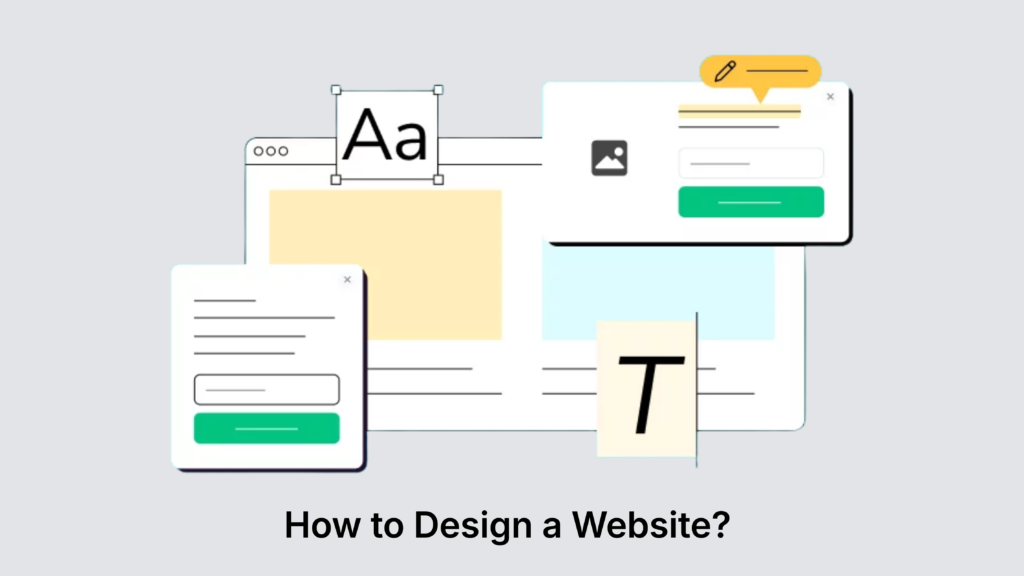
Designing a modern website requires strategy, creativity, and the right technical foundation. If you’re wondering how to design a website, the process begins with planning structure, content flow, and user experience. A successful web design process combines visual aesthetics with functionality to ensure visitors can navigate smoothly. Strong foundations, such as secure hosting and scalable infrastructure, also play a crucial role, especially for agencies using reseller hosting with WHMCS to manage multiple client sites efficiently.
Understanding UX UI principles helps designers create intuitive interfaces that guide users toward desired actions. From layout hierarchy to navigation clarity, each element impacts engagement and conversions. Additionally, applying smart website layout ideas ensures visual balance and brand consistency. In this guide, we will explore step-by-step methods, including responsive web design, to help you build a professional and scalable website.
Understanding the Website Design Stages
To truly master how to design a website, you must follow a structured website design stages. This begins with defining goals, identifying the target audience, and planning site architecture. Before moving into visuals, designers map user journeys to ensure smooth navigation. A clear blueprint reduces revisions and improves efficiency.
Once planning is complete, wireframing and prototyping begin. Applying solid UX UI principles ensures intuitive interaction, logical content placement, and accessible navigation. Designers should also consider performance and scalability, especially when agencies rely on reseller hosting with WHMCS to manage multiple websites under one system. During development, implementing smart website layout tips improves readability and engagement. Finally, integrating responsive website design guarantees that the site performs seamlessly across devices. Following a structured process ensures your website is both visually appealing and technically optimized.
UX UI Principles Every Designer Should Know
When learning how to design a website, mastering UX UI basics is essential. UX (User Experience) focuses on how visitors interact with your site, while UI (User Interface) concentrates on visual elements such as colors, typography, buttons, and spacing. A strong web design process always begins with understanding user intent and simplifying navigation. Clear menus, readable fonts, and logical content flow improve engagement and reduce bounce rates.
Good design also prioritizes accessibility, loading speed, and mobile usability. Agencies managing multiple projects through reseller hosting with WHMCS must ensure a consistent user experience across all client websites. Applying proven website layout ideas, such as maintaining visual hierarchy and using whitespace effectively, enhances readability. Finally, incorporating responsive website design principles ensures the interface adapts seamlessly to desktops, tablets, and smartphones, providing users with a smooth experience everywhere.
Website Layout Ideas for Better Engagement
A well-structured layout is key when considering how to design a website. Effective design guides users naturally and improves interaction. Using consistent headers, strategically placed calls-to-action, and a clear content hierarchy ensures visitors can find information quickly. Applying website layout ideas like grid systems, whitespace, and contrasting colors enhances readability and visual appeal.
For agencies managing multiple sites through reseller hosting with WHMCS, maintaining uniform layout standards helps streamline updates and ensures a professional look across all client projects. Integrating UX UI principles such as intuitive navigation, clickable buttons, and logical page flow further improves engagement. Additionally, responsive elements ensure that layouts adjust seamlessly across devices. By combining these strategies with a structured website design process, designers can create sites that are visually appealing, functional, and optimized for user satisfaction.
Responsive Website Design Principles
In today’s mobile-first world, mastering responsive website design is crucial when learning how to design a website. Responsive design ensures that your website adapts seamlessly to desktops, tablets, and smartphones, providing a consistent user experience. Key principles include fluid grids, flexible images, and media queries that adjust layout elements automatically based on screen size.
Applying UX UI principles like readable fonts, accessible buttons, and intuitive navigation enhances usability across devices. Agencies using reseller hosting with WHMCS benefit from centralized management of responsive sites, allowing updates to propagate efficiently across multiple client websites. Combining website layout ideas with responsive design improves engagement, reduces bounce rates, and increases conversions. By adhering to these principles, designers ensure their sites are visually appealing, functional, and accessible on every device, meeting the expectations of modern users.
Choosing the Right Tools and Hosting
When learning how to design a website, choosing the right tools and hosting platform plays a major role in the overall success of your site. The right tools help you build and customize pages easily, while reliable hosting ensures your website runs smoothly and loads quickly.
Website Builders for Easy Website Design
Website builders make designing a website much easier for beginners. Platforms like drag-and-drop builders allow you to create pages, add images, and customize layouts without coding. These tools also provide ready-made templates that help you design a professional website quickly.
Content Management Systems in how to design a website
A CMS helps manage your website content efficiently. Popular CMS platforms allow users to publish blog posts, create pages, and update content easily. When learning how to design a website, using a CMS makes it easier to control your site structure and keep everything organized.
Choosing Reliable Web Hosting
Reliable hosting is essential for website speed and stability. Hosting services store your website files and make them available online. When selecting hosting for how to build a website, look for features like good uptime, fast loading speed, and strong security.
Tools for Design and Website Optimization
Design and optimization tools help improve the appearance and performance of your site. These tools allow you to create graphics, test layouts, and improve SEO. Using the right tools while learning how to design a website can help you build a more professional and user-friendly website.
Integrating SEO and Analytics in How to Design a Website
Modern websites require not only good design but also measurable performance. Integrating SEO reporting tools and analytics from the start ensures that the website meets both user experience and search visibility goals. Proper placement of content, headings, and navigation supports responsive website design and improves overall engagement metrics.
Agencies leveraging reseller hosting with WHMCS can automate reporting for multiple clients, providing clear dashboards and actionable insights. Early integration allows designers to iterate based on real user data, ensuring that both aesthetics and functionality align with client objectives.
Testing and Launching Your Website
Before going live, thorough testing is essential for designing a website. Testing ensures your site performs smoothly, delivers an excellent user experience, and functions correctly across devices. Key areas include page load speed, navigation usability, mobile responsiveness, and cross-browser compatibility. Applying UX UI principles during testing helps identify areas where users might struggle.
Agencies leveraging reseller hosting with WHMCS can deploy staging environments to test multiple client sites simultaneously without affecting live traffic. Website layout ideas, like consistent headers, buttons, and visual hierarchy, should be reviewed to ensure clarity and engagement. Finally, implementing analytics and SEO reporting tools prepares the site for monitoring post-launch performance. This process guarantees a polished, responsive, and fully functional website that meets client expectations and industry standards.
Maintaining and Updating Your Website
After launch, ongoing maintenance is vital when learning how to design a website. Regular updates keep the site secure, functional, and aligned with modern UX UI principles. Content should be refreshed, broken links fixed, and plugins or software updated to ensure optimal performance.
For agencies managing multiple clients through reseller hosting with WHMCS, centralized hosting simplifies updates and streamlines backups. Website layout ideas, such as consistent typography, spacing, and navigation, should be reviewed periodically to maintain a professional appearance. Additionally, using responsive website design principles ensures new content and features display correctly on all devices. Combining maintenance with SEO reporting tools allows agencies to track performance, identify areas for improvement, and provide measurable value to clients consistently.
Scaling Your Website Design for Multiple Clients
For agencies and freelancers, knowing how to build a website? Also means planning for scalability. When handling multiple client projects, integrating reseller hosting with WHMCS allows centralized management of websites, client billing, and automated provisioning. This approach reduces manual workload and ensures consistency across all projects.
In addition, using standardized website layout ideas and applying UX UI principles across projects maintains brand consistency and usability. Implementing templates and responsive frameworks accelerates development while preserving quality. By combining hosting automation with structured processes, agencies can efficiently scale services without compromising performance or client satisfaction.
Future Trends in How to Design a Website
As technology evolves, understanding how to design a website? requires keeping up with emerging trends. Progressive web apps, AI-assisted design tools, and advanced UX UI principles are transforming how sites are built. Responsive website design remains critical, but accessibility, voice search optimization, and interactive content are becoming standard expectations.
For agencies managing multiple clients, reseller hosting with WHMCS and scalable infrastructure will support the adoption of these new trends without disrupting existing workflows. By staying ahead of industry innovations and continuously integrating SEO reporting tools and best practices, designers can ensure websites remain competitive, user-friendly, and high-performing in a constantly evolving digital landscape.
Optimizing Website Speed and Performance
A fast-loading website is critical when learning how to design a website. Performance affects user experience, bounce rates, and search engine rankings. Key strategies include optimizing images, leveraging browser caching, minimizing code, and implementing responsive web design. Tools like Google PageSpeed Insights can help identify performance bottlenecks.
Agencies using reseller hosting with WHMCS benefit from centralized hosting management, allowing multiple websites to be optimized consistently. Integrating UX UI principles such as clean layouts and efficient navigation further enhances perceived speed, ensuring that users can interact with the site smoothly. Optimizing performance not only improves usability but also strengthens SEO results, making it an essential part of the web design process for both single sites and large client portfolios.
Enhancing Accessibility and User Experience
Accessibility is a core principle of modern design. When designing a website, following UX UI principles and accessibility standards ensures that all users, including those with disabilities, can navigate and interact with content effectively. Features like keyboard navigation, proper color contrast, and descriptive alt text for images are essential.
Implementing website layout ideas alongside responsive website design guarantees that content is usable on all devices. For agencies managing multiple clients, combining these practices with reseller hosting with WHMCS ensures consistent accessibility standards across every project. Prioritizing accessibility improves overall user experience, expands audience reach, and demonstrates professionalism, making it a critical component of a successful website.
Conclusion
Designing a professional website requires a structured approach, creativity, and the right infrastructure. Understanding how to design a website? starts with a clear website design workflow, applying UX UI principles, and implementing effective website layout ideas. Responsive design ensures that your site functions seamlessly across devices, improving engagement and user satisfaction. For agencies, integrating reseller hosting with WHMCS allows centralized management of multiple client websites, automating billing, hosting, and white-label services. Combined with SEO reporting tools, this setup provides actionable insights and enhances long-term client relationships. By following best practices in design, testing, and maintenance, you can create a scalable, professional, and user-friendly website. Leveraging modern tools and hosting solutions ensures your site is not only visually appealing but also optimized for performance, security, and growth.
FAQs
Begin by defining goals, target audience, and site structure. A clear website design workflow ensures smooth development and optimal user experience.
Focus on intuitive navigation, readable fonts, consistent color schemes, and accessible interfaces to create a seamless user experience.
Using clear hierarchy, whitespace, and visually appealing elements guides visitors and increases interaction with your content.
Responsive web design ensures your site adapts to all devices, from desktops to smartphones, providing a consistent user experience.
It allows agencies to manage multiple client websites efficiently, automate billing, and maintain white-labeled services.