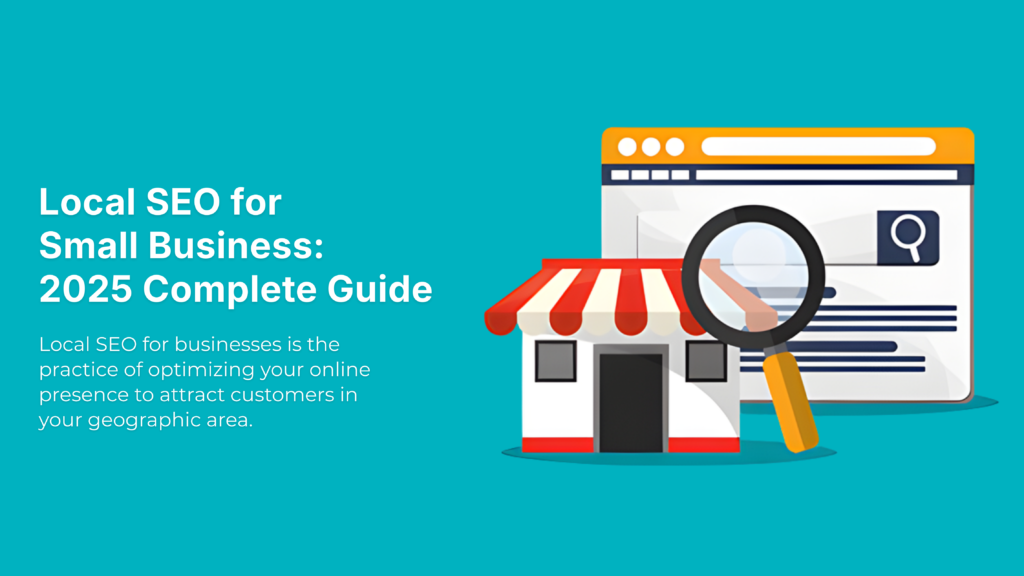
Local SEO for businesses is the practice of optimizing your online presence to attract customers in your geographic area. It ensures that your business appears in local search results, including Google Maps and the map pack ranking, which significantly influences user decisions. Local SEO combines website optimization, Google Business Profile optimization, and strategic content to boost visibility for nearby customers.
Small businesses benefit from local SEO by reaching highly targeted audiences, increasing foot traffic, and improving overall sales. Effective local keyword analysis helps identify what potential customers search for in your area, while accurate local verify your business information across directories. By understanding the fundamentals of local SEO for small businesses, owners can develop a robust online presence, outperform competitors, and attract loyal local customers consistently.
Why Local SEO Matters in 2026?
In 2026, local SEO small businesses is more critical than ever as users increasingly rely on online searches to find nearby products and services. Appearing in the map pack boosts visibility, driving foot traffic, and leads directly to your business. Studies show that a majority of local searches result in in-person visits within 24 hours, making local SEO an essential marketing strategy.
Optimizing your Google Business Profile and maintaining consistent local citations improves credibility and ensures accurate business information. Performing local keyword research helps identify relevant search terms that potential customers are using, enhancing online discoverability. Businesses that implement strong local SEO strategies can outperform competitors, increase engagement, and convert local searchers into loyal customers, ensuring sustained growth in the evolving digital landscape.
Google Business Profiles Optimization
Optimizing your Google Business Profile local seo for small business is a cornerstone of SEO for small businesses. A complete and accurate profile increases your chances of appearing in the map pack and enhances credibility with potential customers. Ensure your business name, address, and phone number (NAP) are consistent across all platforms.
Adding high-quality photos, detailed descriptions, and business categories helps users understand your offerings. Collecting and responding to reviews not only improves visibility but also builds trust. Integrating local keyword analysis into your profile description and posts further enhances discoverability. Leveraging insights from analytics allows businesses to track engagement and optimize strategies. Effective Google Business Profiles optimization ensures your business attracts local customers, drives foot traffic, and strengthens your overall local SEO performance.
Local Keyword Analysis Techniques
Performing effective local keyword analysis is essential for SEO for small businesses. Start by identifying search terms that include location-specific phrases, such as “best bakery in [city]” or “emergency plumber near me.” These keywords target potential customers in your geographic area, increasing the likelihood of visits and conversions.
Identify Your Target Location
The first step in local seo for small business is clearly defining your target location. Whether it’s a city, neighborhood, or region, knowing the area you want to target helps you choose the right keywords. Including location-specific terms in your research ensures your content reaches local customers who are more likely to convert.
Use Google Autocomplete and Related Searches
Google’s autocomplete and related searches are valuable tools for finding local keywords. When you type a query into Google, it suggests popular searches in your area. Analyzing these suggestions helps you discover long-tail keywords that locals frequently search for, making your SEO strategy more effective.
Analyze Competitor Keywords
Studying what competitors are ranking for in your area is an essential local keyword analysis technique. Tools like SEMrush, Ahrefs, or Moz allow you to see which keywords your local competitors target. By analyzing their strategies, you can identify gaps and opportunities to attract potential customers.
Leverage Google Business Profile Insights
Your Google Business Profile provides insights into how customers find your business. local seo for small business Review search terms used by people to discover your profile, as these can be turned into actionable local keywords. This technique ensures you’re targeting phrases that real users are already searching for in your area.
The Importance of the City for local seo for small business
Local play a vital role in local SEO for small businesses by verifying your business information across online directories, review sites, and local listings. Accurate citations strengthen credibility with search engines and help maintain consistency for your NAP (Name, Address, Phone), which is critical for ranking in local search results.
Popular citation sources include Yelp, TripAdvisor, Foursquare, and industry-specific directories. Ensuring your business information is consistent and up-to-date improves trust and increases the likelihood of appearing in the map pack. Combined with Google Business Profiles optimization and strategic local keyword analysis, building and maintaining citations enhances visibility, attracts more local customers, and supports sustainable growth for small businesses.
On-Page SEO for Local Businesses
Optimizing your website is essential for local SEO for a small business. Start with title tags, meta descriptions, and header tags that include location-specific keywords identified through local keyword analysis. Structured data, such as schema markup, helps search engines understand your business type, address, and operating hours, improving chances of appearing in the map pack.
Creating location-focused content, such as blog posts about local events or services in your area, enhances relevance and authority. Integrating Google Business Profiles optimization with website SEO ensures consistency across platforms. Proper on-page SEO, combined with accurate local, positions your business for higher rankings, attracts nearby customers, and strengthens your overall online visibility in local search results.
Link Building and Community Engagement
Building local backlinks local seo for small business and engaging with the community are key strategies for SEO for small businesses. High-quality backlinks from local websites, blogs, and business directories improve domain authority and boost rankings in the map pack. Participating in local events, sponsorships, and collaborations strengthens credibility and generates referral traffic.
Community engagement also encourages reviews, social shares, and word-of-mouth promotion. Combining these efforts with Google Business Profiles optimization and consistent local keyword analysis amplifies visibility. By cultivating relationships with local partners and authorities, businesses can create authentic signals that search engines recognize. Integrating link building and community engagement into your SEO strategy ensures long-term growth, higher local rankings, and a loyal customer base.
Tracking Map Pack Rank and Performance
Monitoring your map pack is essential for evaluating the effectiveness of local SEO for small business efforts. Tracking tools like Google Search Console, BrightLocal, or Whitespark provide insights into your position in local search results, clicks, impressions, and engagement. Regular monitoring helps identify opportunities to improve visibility and reach more potential customers.
Combining Google Business Profiles optimization with accurate local ensures consistency across platforms, which directly influences rankings. Performing ongoing local keyword analysis allows businesses to adapt to shifting search trends and emerging competitors. By systematically tracking performance, small business owners can refine their strategies, enhance discoverability, and maintain high rankings in the map pack, driving consistent foot traffic and conversions.
Common Mistakes
Many small businesses fail to fully optimize SEO for small businesses, which can hurt visibility and conversions. Common mistakes include inconsistent NAP (Name, Address, Phone) information, ignoring customer reviews, and neglecting mobile optimization. These errors reduce credibility and limit your chances of appearing in the map pack.
Overlooking Google Business Profiles optimization or skipping local keyword analysis can also hinder discoverability. Failing to build proper local and ignoring local backlinks may further weaken authority. Avoiding these mistakes ensures better rankings, more traffic, and stronger engagement with nearby customers. By implementing best practices consistently, businesses can maximize the benefits of local SEO and maintain a competitive edge in their market.
Leveraging Reviews for Local SEO
Customer reviews are a critical factor in local SEO for small businesses. Positive reviews on your Google Business Profile not only build trust with potential customers but also influence the map pack. Encourage satisfied clients to leave feedback and respond promptly to both positive and negative reviews.
Incorporating local keyword analysis into responses and review management enhances visibility and relevancy. Reviews act as social proof, improving engagement and click-through rates while signaling credibility to search engines. Combining reviews with accurate local and consistent business information strengthens your overall local SEO strategy, helping small businesses attract more nearby customers and improve conversion rates in 2026 and beyond.
Optimizing for Voice Search
With the rise of smart assistants, voice search is becoming increasingly important for SEO for small businesses. Users often phrase queries conversationally, such as “Where is the nearest coffee shop?” or “Best plumbing service near me.” Incorporating long-tail and natural language keywords identified through local keyword analysis helps your business appear in voice search results.
Optimizing your Google Business Profile and structured data ensures search engines accurately display your business information. Voice search optimization also complements map pack strategies and enhances mobile app SEO for businesses with app listings. Staying ahead in voice search trends allows small businesses to capture more local customers efficiently.
Using Analytics to Improve Local SEO
Tracking and analyzing performance is essential for local SEO for small businesses. Tools like Google Analytics, Google Search Console, and BrightLocal provide insights into website traffic, user behavior, and map pack performance. Monitoring these metrics highlights which strategies are effective and identifies areas for improvement.
By combining analytics with Google Business Profiles optimization, accurate local, and ongoing local keyword analysis, businesses can refine their SEO strategy. Insights from analytics help adjust content, optimize metadata, and target high-performing keywords. Regular review and adaptation of strategies ensure sustained growth, higher local search visibility, and stronger connections with nearby customers.
Future Trends in Local SEO
Looking ahead to 2026, staying updated on SEO for small business trends is crucial. Mobile search, voice search, and AI-driven local recommendations are becoming more prominent, influencing how customers discover businesses. Optimizing for these trends requires integrating local keyword analysis, structured data, and accurate Google Business Profiles optimization.
Emerging tools provide real-time insights into map pack performance, competitor activity, and evolving search patterns. Combining these insights with consistent local and mobile-friendly content ensures businesses maintain high visibility. Staying proactive with future trends allows small businesses to adapt quickly, attract more local customers, and maintain a competitive edge in an increasingly digital marketplace.
Conclusion
Implementing effective local seo for small businesses is essential for increasing visibility, attracting nearby customers, and driving sales. Optimizing your Google Business Profile, performing consistent local keyword analysis, and maintaining accurate local improve trust and positions your business prominently in the map pack.
Combining these strategies with engaging content, review management, and community involvement strengthens your online presence. Regularly tracking performance and adjusting tactics ensures continued growth and competitiveness. Small businesses that follow best practices for local SEO, including leveraging analytics, optimizing for voice search, and using proper citation and keyword strategies, can build a loyal customer base and achieve long-term success in 2026 and beyond.
FAQs
Local SEO for small businesses is the process of optimizing online presence to attract nearby customers, improve visibility in local search results, and appear in the map pack.
Google Business Profiles optimization involves updating NAP (Name, Address, Phone), adding photos, posting updates, collecting reviews, and integrating local keyword analysis for better local search visibility.
Local mentions are online mentions of your business name, address, and phone number. Consistent citations across directories build trust, authority, and improve local SEO small business rankings.
Local keyword analysis involves identifying search terms with geographic modifiers, analyzing competitors, and targeting high-intent keywords to improve visibility in trending local searches and the map pack.
Use tools like Google Analytics, Google Search Console, and BrightLocal to monitor website traffic, map pack, keyword performance, and overall engagement. Analytics help refine strategies and boost local SEO for small business success.