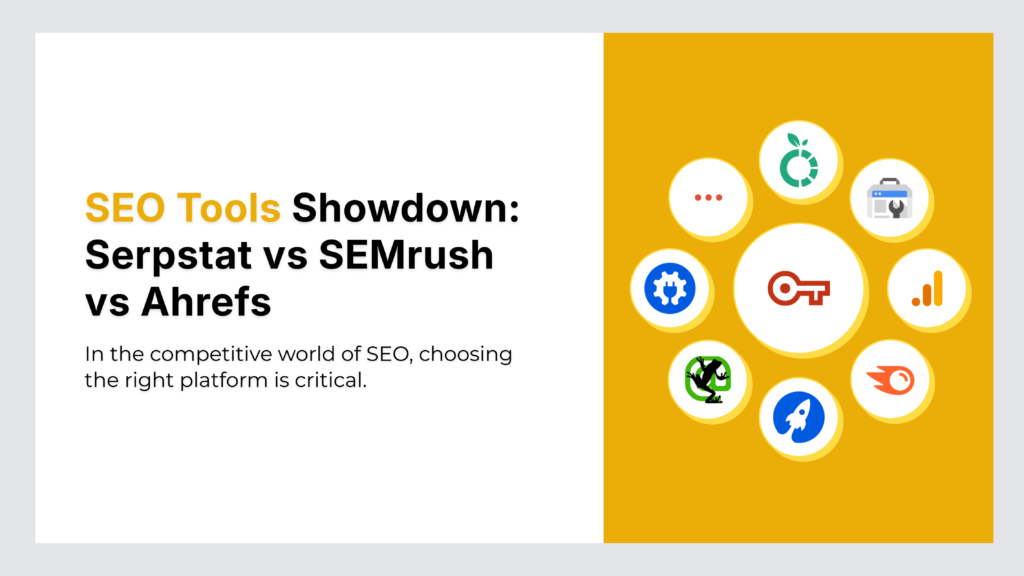
In the competitive world of SEO, choosing the right platform is critical. The battle of Serpstat vs SEMrush vs Ahrefs highlights the strengths and differences between three of the most popular SEO tools. Each platform offers unique capabilities to improve website visibility, monitor competitors, and optimize search performance. Serpstat focuses on comprehensive keyword research and competitor insights, while SEMrush excels in site audits, traffic analytics, and campaign tracking. Ahrefs is renowned for its extensive backlink analysis tools and robust rank tracking capabilities.
Understanding the nuances of Serpstat, SEMrush, and Ahrefs helps marketers select the right solution for their needs. By analyzing functionality, pricing, and usability, businesses can make informed decisions about which tool fits their SEO, technical expertise, and marketing goals, ensuring maximum ROI and measurable results in search performance.
Core Features Of Serpstat vs Semrush vs Ahrefs Compared Side-by-Side
When evaluating Serpstat, SEMrush, and Ahrefs, understanding their core features is crucial. Serpstat features include keyword research, competitor analysis, rank tracking, and site audits. Its intuitive dashboard allows users to analyze search trends, monitor competitors, and discover growth opportunities efficiently. SEMrush provides a full suite platform with extensive keyword research, advertising analytics, and content optimization tools, making it ideal for advanced campaigns. Ahrefs excels in backlink analysis tools, offering one of the largest link indexes, detailed anchor text insights, and competitive link tracking.
All three platforms include keyword analysis comparison capabilities, enabling marketers to monitor rankings and analyze search intent. Choosing the right tool depends on your marketing goals, team size, and budget. A clear understanding of these features ensures your Serpstat vs SEMrush vs Ahrefs decision aligns with both strategy and ROI expectations.
Serpstat Feature Explained
Serpstat feature make it a versatile tool for marketers looking to streamline SEO campaigns. Its keyword analysis comparison tools provide search volume, competition levels, and long-tail keyword suggestions. The platform’s competitive analysis tools allow users to track competitor traffic, backlinks, and organic rankings, offering actionable insights to improve website performance.
Competitive analysis tools
Competitor research is another strong feature highlighted in serpstat vs semrush ahrefs discussions. Serpstat allows users to analyze competitors’ keywords, traffic sources, and ranking pages. This insight helps marketers understand competitor strategies and discover new opportunities.
Site Audit and SEO Analysis
Technical SEO is crucial for website performance, and many comparisons like serpstat vs semrush vs ahrefs evaluate this feature. Serpstat’s site audit tool scans websites for errors, broken links, and optimization issues. It helps users fix technical problems that may affect search rankings.
Rank Tracking Features
Rank tracking is a core feature mentioned in serpstat vs semrush vs ahrefs comparisons. Serpstat lets users monitor keyword rankings across different locations and devices. This helps website owners track SEO progress and adjust their strategies based on performance.
Backlink Analysis Tools
Backlink analysis is essential in SEO, which is why it is frequently discussed in serpstat semrush ahrefs comparisons. Serpstat offers backlink monitoring, referring domain analysis, and link quality insights. These features help users build a stronger backlink profile and improve domain authority.
Keyword Research with main Comparison
A critical aspect of Serpstat, SEMrush, and Ahrefs is their comparison approach. SEMrush excels in identifying high-performing keywords, providing search volume, CPC data, and competitive insights for paid and organic campaigns. Ahrefs offers in-depth keyword suggestions, difficulty scores, and ranking history, making it ideal for link-building strategies. Serpstat functions include keyword clustering, long-tail keyword suggestions, and visibility analytics, allowing marketers to optimize content and discover untapped opportunities.
Effective keyword research informs content strategy and improves search rankings. By integrating competitor analysis tools with keyword insights, users can identify gaps, prioritize high-value keywords, and track performance over time. Comparing these platforms ensures your Serpstat, SEMrush, and Ahrefs choice aligns with marketing objectives, whether you need precise SEO targeting, competitor intelligence, or cost-effective keyword tracking.
Competitor & Backlink Analysis Tools
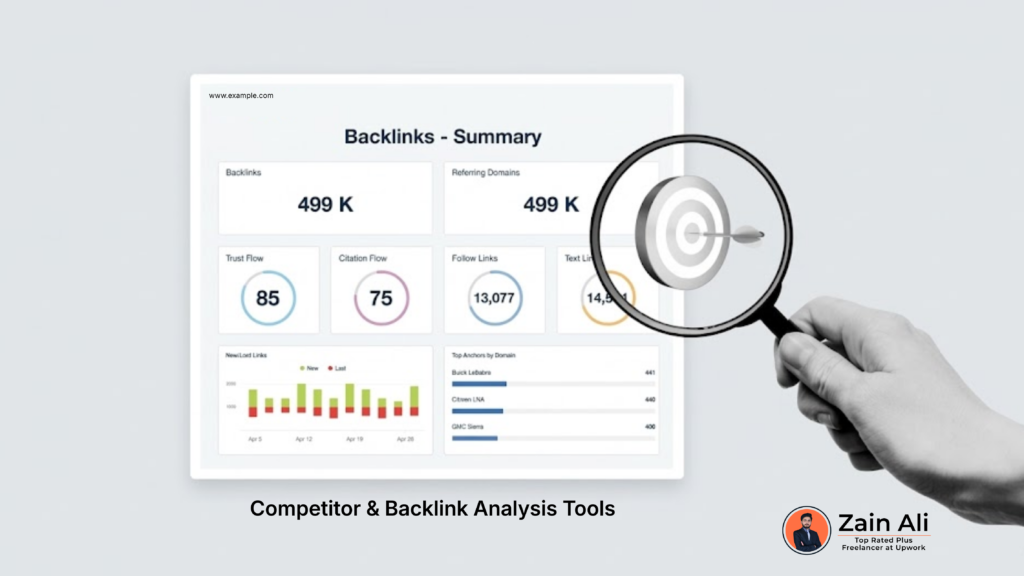
In the Serpstat vs SEMrush vs Ahrefs comparison, competitive analysis tools and backlink monitoring are key differentiators. Ahrefs is widely recognized for its advanced backlink analysis tools, offering detailed link profiles, anchor text insights, and competitor backlink tracking. SEMrush provides comprehensive competitor audits, toxic link detection, and domain authority metrics, helping marketers plan effective link-building campaigns. Serpstat functions include competitor domain analysis, backlink monitoring, and site visibility metrics, offering an affordable yet robust alternative for small to mid-sized teams.
Monitoring backlinks and analyzing competitors ensures better ranking strategies, identifies new opportunities, and mitigates risks from toxic links. Integrating these tools into your keyword analysis comparison and SEO workflow allows for data-driven decision-making. Selecting the right platform in Serpstat, SEMrush, and Ahrefs ultimately depends on your priority: link intelligence, competitor tracking, or a balance of features and usability.
SEO Software Pricing Comparison
Pricing is an important factor in the Serpstat, SEMrush, and Ahrefs debate. Serpstat functions come at a competitive price, offering tiered plans suitable for small businesses and growing agencies. SEMrush provides multiple subscription levels, including packages for SEO, PPC, and content marketing, making it ideal for comprehensive campaigns. Ahrefs offers scalable plans with robust backlink analysis tools and keyword analysis comparison features, though it is slightly more expensive for smaller teams.
All three platforms provide free trials or limited access, allowing marketers to test features before committing. Comparing SEO software pricing alongside features ensures you choose a platform that fits both your budget and your marketing needs. Evaluating value-for-money in Serpstat, SEMrush, and Ahrefs enables businesses to make informed decisions while maximizing ROI and supporting a long-term SEO strategy.
Ease of Use & User Experience About Serpstat vs Semrush vs Ahrefs
User experience is a key factor when comparing Serpstat, SEMrush, and Ahrefs. Serpstat functions are designed with simplicity in mind, offering an intuitive dashboard that is easy for beginners to navigate while still providing advanced analysis tools. SEMrush provides a comprehensive interface with multiple modules for SEO, PPC, and content marketing, making it ideal for advanced users but potentially overwhelming for newcomers. Ahrefs excels in data depth, especially in backlink analysis tools, though its extensive reports may require a learning curve.
Choosing a platform with a user-friendly interface improves efficiency, speeds up adoption, and ensures teams can execute SEO campaigns effectively. Evaluating usability alongside features in Serpstat vs SEMrush vs Ahrefs helps marketers select the right tool for their experience level, team size, and business goals.
Pros & Cons of Serpstat vs Semrush vs Ahrefs
Evaluating Serpstat, SEMrush, and Ahrefs requires understanding their strengths and limitations. Serpstat functions offer affordability, an intuitive interface, and solid analysis tools, but it may lack the depth of backlink data found in Ahrefs. SEMrush provides a full suite platform with extensive keyword research, rank tracking, and SEO audits, though its extensive features can overwhelm beginners. Ahrefs excels in backlink analysis tools and ranking data, but it comes at a higher price point and can be complex for small teams.
Each platform includes keyword analysis comparison capabilities, ensuring users can monitor rankings and identify opportunities. Considering pros and cons helps marketers match their business goals, budget, and expertise level to the right tool. Making informed choices in Serpstat vs SEMrush vs Ahrefs ensures efficiency, accuracy, and measurable SEO results.
Which Tool Is Best: Serpstat vs Semrush vs Ahrefs for Your Business?
Choosing between Serpstat, SEMrush, and Ahrefs depends on your business goals, budget, and SEO needs. Serpstat functions are ideal for small to mid-sized businesses seeking affordable, competitive analysis tools and straightforward reporting. SEMrush suits marketing teams that require a comprehensive suite, including keyword research comparison, site audits, and campaign management. Ahrefs is best for professionals focused on backlink analysis tools and in-depth link-building strategies.
Consider factors like pricing, ease of use, and available features before committing. Aligning the platform with your SEO tools, pricing, and marketing objectives ensures measurable results. Integrating the chosen tool into a solid SEO workflow allows businesses to monitor rankings, analyze competitors, and optimize campaigns effectively. Evaluating these aspects helps marketers make an informed choice in the Serpstat, SEMrush, and Ahrefs debate.
Integrating SEO Tools Serpstat vs Semrush vs Ahrefs Into Your Workflow
Integrating Serpstat, SEMrush, and Ahrefs into your SEO workflow improves efficiency and streamlines campaigns. By combining Serpstat functions with competitive analysis tools and comparison, marketers can monitor rankings, analyze competitors, and optimize content for search engines. Automated alerts and reporting dashboards allow teams to identify opportunities, track performance, and make data-driven decisions quickly.
For small businesses or agencies, workflow integration ensures tasks are organized and metrics are actionable. Whether performing site audits, tracking backlinks, or evaluating keyword trends, using these tools together enhances productivity. Understanding how to leverage Serpstat vs SEMrush vs Ahrefs effectively allows businesses to execute campaigns with precision, improve SEO performance, and achieve measurable results with minimal manual effort.
Conclusion
When comparing Serpstat, SEMrush, and Ahrefs, each platform offers unique advantages. Serpstat functions provide an affordable and user-friendly experience, ideal for small businesses seeking reliable analysis tools. SEMrush delivers a comprehensive suite for in-depth keyword research, content optimization, and campaign tracking. Ahrefs stands out with advanced backlink analysis tools and extensive ranking data, perfect for SEO professionals focused on link-building strategies.
A careful SEO tools pricing evaluation, combined with your marketing goals, determines the right choice. Integrating your selected platform into a robust SEO workflow ensures measurable results, improved search rankings, and competitive insights. By understanding the strengths and limitations of Serpstat vs SEMrush vs Ahrefs, marketers can make informed decisions that optimize SEO campaigns, enhance performance, and maximize ROI.
Frequently Asked Questions
Ahrefs leads in backlink analysis tools, providing extensive link data, anchor text insights, and competitor link tracking. serpstat vs semrush vs ahrefs features also offer backlink monitoring, but Ahrefs is the most advanced for detailed link-building strategies.
Yes. Each platform includes comparison and keyword tracking software to monitor rankings, analyze visibility, and optimize SEO campaigns. SEMrush offers detailed competitive insights, Ahrefs provides alerts, and Serpstat is user-friendly.
Consider your budget, marketing goals, and team experience. Use SEO tools, pricing, and feature sets to decide. Choose Serpstat for affordability and simplicity, SEMrush for full-suite capabilities, and Ahrefs for advanced backlink analysis.
Yes. serpstat vs semrush vs ahrefs integrate with Google Analytics, marketing dashboards, and social platforms to streamline reporting and enhance your SEO strategy.
Most platforms offer free trials or demo accounts, letting users test Serpstat, Ahrefs, or SEMrush before committing to a subscription.
The comparison of Serpstat vs Semrush vs Ahrefs mainly focuses on features like keyword research, backlink analysis, competitor tracking, and site audits. While all three tools provide powerful SEO insights, they differ in database size, pricing, and advanced features. Choosing the right tool depends on your SEO needs, budget, and the depth of analysis you require.