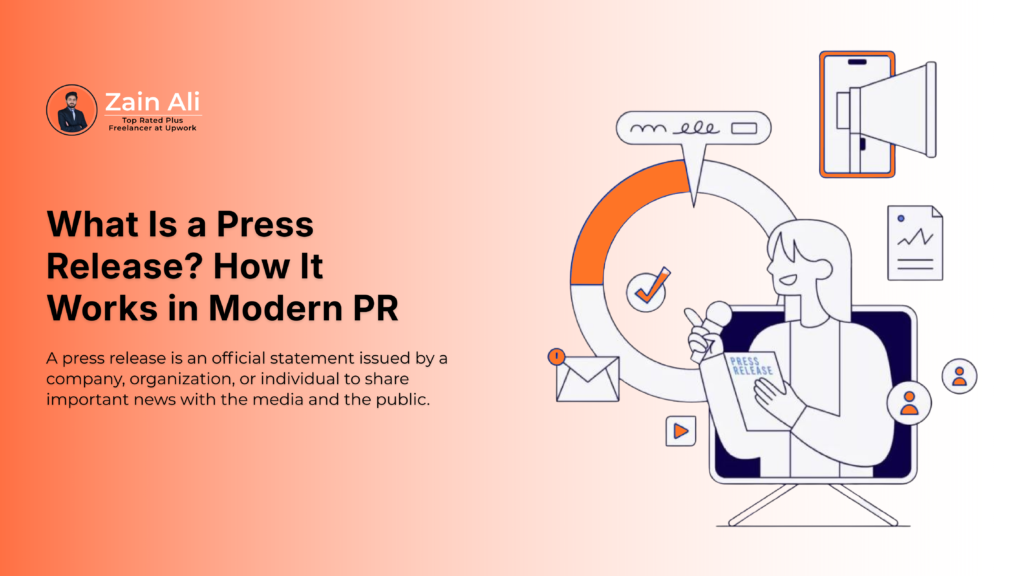
A press release is an official media declaration issued by a company, organization, or individual to share newsworthy information with journalists, media outlets, and the public. It serves as a core tool in a public relations method, helping businesses and brands communicate key developments, such as product launches, events, awards, or significant achievements. By distributing a well-crafted press release, organizations can gain visibility, attract media coverage, and enhance credibility in their industry.
Unlike casual marketing messages, a press release is structured in a formal news release layout, ensuring it is easily digestible for editors and reporters. Whether for digital media or traditional print outlets, understanding press release is the first step toward effective communication and brand promotion.
Importance of Press Releases in Public Relations
A press release definition refers to a concise, formal statement created to inform the media and public about important developments within an organization. Essentially, it is a media declaration designed to deliver factual, newsworthy content in a standardized news release layout. Organizations rely on press releases to support a broader public relations method, ensuring consistent messaging and maximizing exposure across traditional and digital channels.
Unlike advertisements, a press release emphasizes credible information, often including quotes, key data, and background details to aid journalists in reporting. Understanding the press release helps businesses craft messages that are clear, professional, and newsworthy, increasing the likelihood of media coverage and audience engagement. Mastery of this concept is foundational for anyone exploring press release.
Why Press Releases Matter in PR Strategy?
A press release plays a vital role in any effective public relations method. It allows organizations to share significant news, build credibility, and maintain a consistent brand voice across multiple channels. By crafting a compelling media declaration, businesses can attract attention from journalists, bloggers, and industry influencers, increasing visibility and generating earned media coverage. Press releases also support marketing goals by enhancing search engine visibility and driving traffic to company websites.
Beyond promotion, a press release establishes transparency, providing journalists with accurate, well-structured information in a professional news release layout. Understanding what is meant by a press release and its strategic importance helps companies leverage media opportunities, engage audiences, and strengthen their reputation in competitive industries.
Key Differences of Press Release vs News Release
Many people wonder if a press release and a news release are the same. While both serve as media declarations, there are subtle differences. A press release is primarily designed to share newsworthy information with journalists to secure media coverage, forming a core part of a public relations method. A news release, on the other hand, often targets a broader audience, including direct publication on websites or social media platforms, and may follow a slightly more flexible news release layout.
| Aspect | Press Release | News Release |
| What is a press release? Definition | When understanding press release it refers to an official statement issued by a company or organization to share important announcements with media outlets. | A news release is a broader term used to share timely news updates or information intended for journalists and the public. |
| Purpose | The main purpose of press release is to announce company news such as product launches, partnerships, events, or major updates. | A news release focuses more on delivering general news or information that may interest media audiences. |
| Target Audience | A press release is mainly written for journalists, media houses, and news platforms that may publish the announcement. | A news release may target both journalists and the general public, depending on the topic being shared. |
| Tone and Style | When explaining what a press release is, it usually follows a formal and structured writing style with clear facts and quotes. | A news release can sometimes be more flexible in tone and may focus more on storytelling or public updates. |
| Content Structure | A press release follows a specific format, including headline, dateline, introduction, body paragraphs, quotes, and contact details. | A news release may use a similar structure, but is not always strictly formatted like a traditional press release. |
| Use Case | Companies use press releases for official announcements and media coverage opportunities. | News releases are often used to share updates, reports, or information that may interest a wider audience. |
Key Components of a Professional Press Release
A well-crafted what is a press release follows a clear news release format to ensure journalists and media outlets can quickly understand the story. The essential components begin with a compelling headline that grabs attention, followed by a dateline indicating the release date and location. The introduction or lead paragraph addresses the key questions who, what, when, where, why, and how, providing the most critical information upfront. The body expands with supporting details, quotes, and context to strengthen the media announcement.
A boilerplate offers a concise description of the organization, and contact information ensures reporters can reach out for further details. Optional elements, such as multimedia assets or links, enhance engagement. Knowing press release and its components is vital for achieving maximum media impact and reinforcing a professional public relations strategy.
How to Write a Press Release Step‑by‑Step?
Creating an effective press release begins with understanding press release and its role in public relations. Start with a strong, attention-grabbing headline that clearly conveys your media declaration. Follow with a concise introduction covering the who, what, when, where, and why. The body should expand on key details, include quotes from executives or experts, and maintain a clear, factual tone.
Ensure your news release layout is consistent, with proper dateline, boilerplate, and contact information. Incorporating relevant multimedia, such as images or videos, can enhance engagement. Before distribution, proofread carefully for clarity, grammar, and accuracy. Following this step-by-step guide ensures your press release communicates effectively, attracts media attention, and supports overall business visibility and credibility.
Press Release Distribution
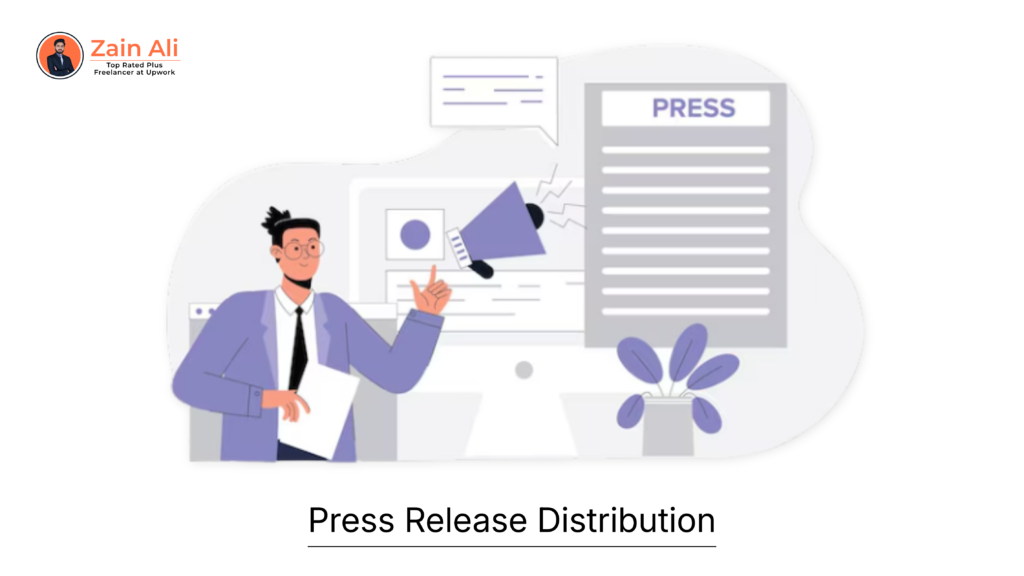
Once you know what is meant by a press release, the next step is effective distribution. A media declaration only achieves results when it reaches the right journalists, editors, and outlets. Organizations can use wire services, email lists, or direct outreach to industry contacts to maximize visibility. Posting on company websites, blogs, and social media channels also helps extend reach while maintaining a consistent public relations method.
Following the proper news release layout ensures your content is easy to read and professional, increasing the likelihood of media coverage. Timing matters: send releases during optimal news cycles, and follow up with contacts for clarification or additional information. Proper distribution amplifies your press release, builds credibility, and strengthens brand awareness across multiple platforms.
Common Mistakes to Avoid
Understanding press release also means knowing what can go wrong. One common mistake is making a media declaration overly promotional rather than newsworthy, which can reduce credibility with journalists. Ignoring proper news release layout, such as missing datelines, unclear headlines, or absent contact information, is another frequent error. Some releases fail to include key details or quotes, leaving readers without context.
Overloading with jargon or lengthy paragraphs can also hinder readability. To fix these issues, focus on clear, concise messaging, follow a structured news release layout, and ensure your public relations method prioritizes value for media outlets. Avoiding these mistakes increases the chance that your press release will be picked up and widely shared.
Press Release Examples for Inspiration
Seeing real-life examples helps businesses understand press release and how to craft one effectively. A product launch media declaration might include a clear headline, an introduction with launch details, and quotes from company executives. Event announcements often highlight dates, locations, and the significance of the event, following a professional news release layout. Partnership or achievement releases combine factual reporting with brand storytelling, supporting an organization’s public relations method.
By studying these examples, companies can learn to balance informative content with engaging language, ensuring their press release captures attention while remaining credible. Well-structured examples guide timing, format, and content, making it easier for businesses to distribute impactful media declarations that resonate with journalists and the public.
Conclusion
Understanding press release is essential for any organization aiming to communicate effectively with the media and public. A well-crafted media declaration not only delivers important news but also strengthens credibility, builds brand visibility, and supports a comprehensive public relations method. Following a proper news release layout ensures that journalists can quickly access key information, making coverage more likely. From product launches and corporate achievements to events and partnerships, press releases remain a reliable tool for sharing news in a structured, professional manner. Businesses that master the art of writing and distributing press releases can enhance media engagement, increase audience trust, and achieve long-term communication success in today’s fast-paced, competitive media landscape.
FAQs
A press release becomes newsworthy when it contains information that is timely, significant, or unique. Journalists look for stories that matter to their audience, such as product launches, corporate milestones, awards, events, or partnerships. Including clear facts, credible quotes, and relevant data ensures your media declaration is compelling and more likely to be published. Understanding what is a press release helps companies focus on creating content that editors can trust and easily report on.
Most press releases are concise, usually ranging from 400 to 600 words. This length is ideal for delivering essential information without overwhelming journalists. Following a proper news release layout headline, dateline, lead paragraph, body, boilerplate, and contact information, ensures clarity and professionalism. Short, structured releases are more effective in securing media coverage than long, unfocused announcements.
Timing is critical in a public relations method. Issue a press release when sharing major developments, such as new product launches, corporate achievements, partnerships, or events. Consider the news cycle and avoid weekends or holidays when editors are less likely to review submissions. Proper timing increases the likelihood of coverage and ensures your media declaration reaches the right audience promptly.
Typically, press releases are drafted by PR professionals, marketing teams, or trained communicators who understand both the brand and the media landscape. Writing a clear, factual, and engaging media declaration requires knowledge of the audience, proper news release layout, and alignment with the overall public relations method.
Yes. Including images, videos, infographics, or hyperlinks makes your press release more engaging and increases the chances of media pickup. Multimedia elements complement the text, providing editors with ready-to-use assets and enhancing storytelling.
Unlike social media posts, which are often informal and short-lived, a press release is formal, structured, and specifically created to inform journalists and the public. Its goal is credibility and coverage rather than casual engagement.
Frequency depends on newsworthiness. Quality is far more important than quantity. Regular, relevant media declarations help maintain brand visibility, support a public relations method, and build long-term credibility with both media outlets and the audience.